Well, it’s more of a meta meme that would have been better suited for a TIL. But the wiki entry shows us how hard the folks at Oxford were meming back in olde days.
Well, it’s not what I expect when I see “memes” in the community name, I guess.
That is one part. The other part is that Dawkin’s definition was flawed from the beginning, especially in regards to internet memes. Because memes do not actually behave like genes, there is no random mutation, there is no selection pressure, there is no survival of the fittest-kind of fight for lasting, sustained existence.
There is human intent behind every forwarding and sharing action, to every change, there are statements and meaning and a dadaistic approach every time a meme is created and altered.
The best summary of what a meme of modern understanding is I came across was “a recontextualising reproduction of a phenomenon (like pieces of media, certain motions, sounds, statements, etc…), usually with a certain intent (often humouristic and/or satirical).” Though that is just a rough summary, not a precise and conclusive definition.
There are, after all, still meme researchers trying to find an exact definition writing scientific articles on this topic. And they often are an interesting read.
However, none of these researchers and their attempts at defining a meme would say a simple screenshot of a Wikipedia passage or of a witty microblog post would suffice as a meme by itself.
So the wiki screenshot displays a description of a meme. It is not a meme itself. I would not type a description of a meme into a .txt file, screenshot it and upload that screenshot into c/memes, because it’s not a meme.


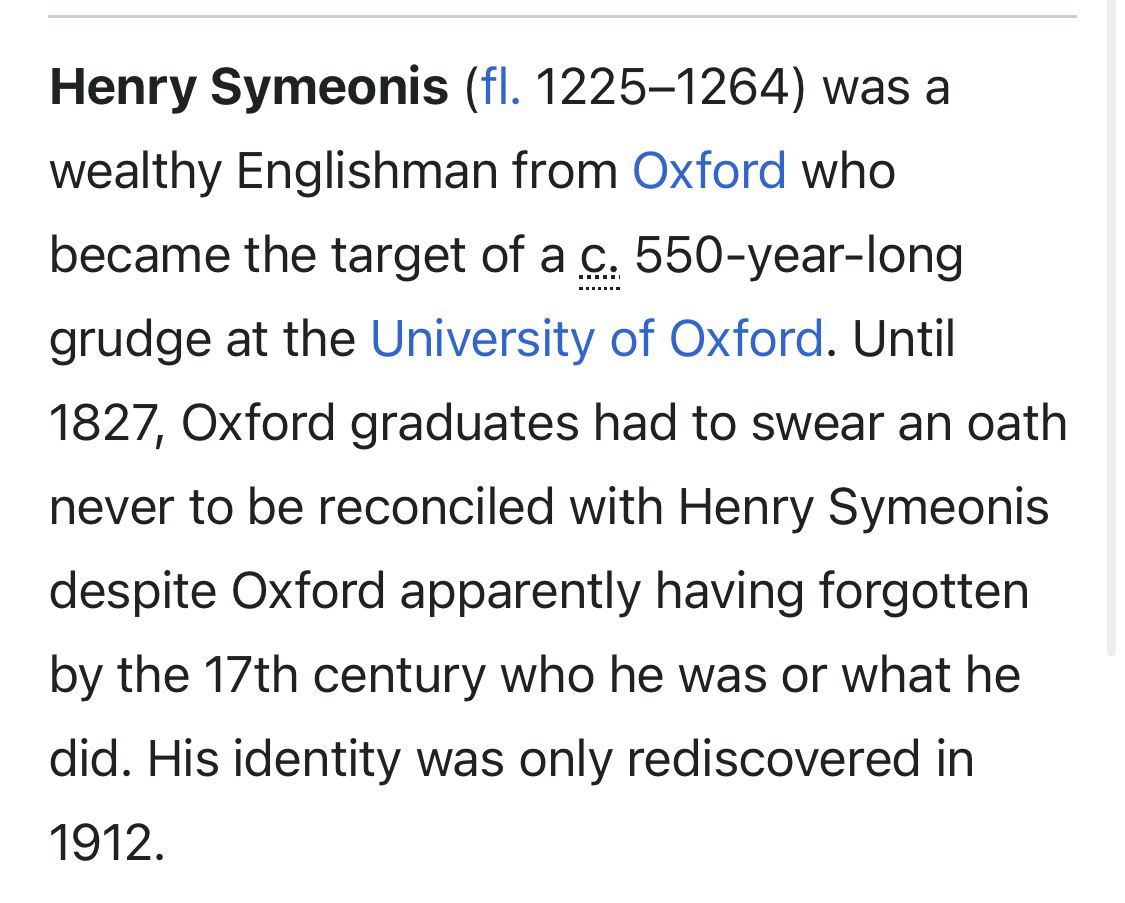
How is an unaltered Wikipedia screenshot a meme exactly?
The oath is the meme. It’s like meme history.
I’ve had this discussion over at politicalmemes as well where they literally just post screenshots of social media posts and news headlines.
Well, it’s not what I expect when I see “memes” in the community name, I guess.
Well, it’s more of a meta meme that would have been better suited for a TIL. But the wiki entry shows us how hard the folks at Oxford were meming back in olde days.
That is one part. The other part is that Dawkin’s definition was flawed from the beginning, especially in regards to internet memes. Because memes do not actually behave like genes, there is no random mutation, there is no selection pressure, there is no survival of the fittest-kind of fight for lasting, sustained existence.
There is human intent behind every forwarding and sharing action, to every change, there are statements and meaning and a dadaistic approach every time a meme is created and altered.
The best summary of what a meme of modern understanding is I came across was “a recontextualising reproduction of a phenomenon (like pieces of media, certain motions, sounds, statements, etc…), usually with a certain intent (often humouristic and/or satirical).” Though that is just a rough summary, not a precise and conclusive definition.
There are, after all, still meme researchers trying to find an exact definition writing scientific articles on this topic. And they often are an interesting read.
However, none of these researchers and their attempts at defining a meme would say a simple screenshot of a Wikipedia passage or of a witty microblog post would suffice as a meme by itself.
Huh, and here I was, thinking it was the DNA of the soul, as retold of Phnom Phem’s teachings by Monsoon
Treachery of images. The story described is of a meme.
So the wiki screenshot displays a description of a meme. It is not a meme itself. I would not type a description of a meme into a .txt file, screenshot it and upload that screenshot into c/memes, because it’s not a meme.
You’ll be okay.