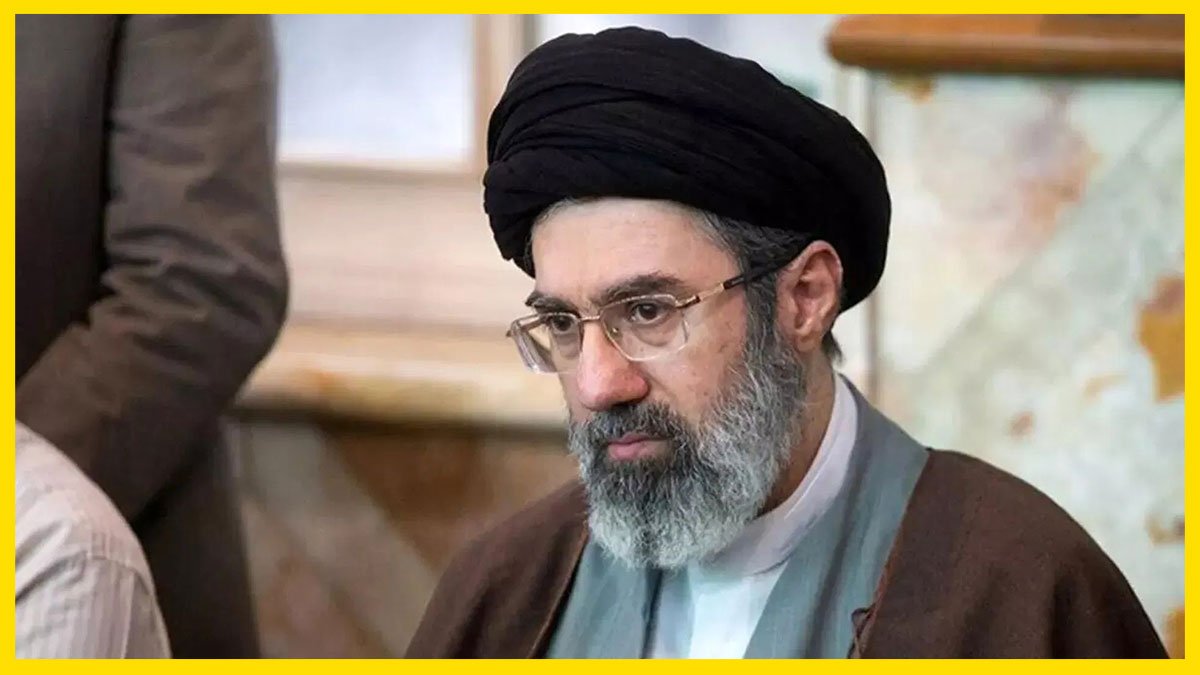
Iran's Supreme Leader Mojtaba Khamenei warned Gulf nations against Western influence while calling for national unity in a newly published written message.
He’s saying that the US is responsible for the Ayatollahs being in power (even though that wasn’t the intent) because they installed the Shah who the people didn’t want the but was friendly to US interests.
So I think it’s accurate to say that the US unintentionally ushered the current regime into power by putting in an unpopular puppet dictator to replace an elected leader who was popular with his people (Mossadegh).
So I think it’s accurate to say that the US unintentionally ushered the current regime into power by putting in an unpopular puppet dictator to replace an elected leader who was popular with his people (Mossadegh).
Mossadegh was very popular initially, and remained so through the end in urban strongholds of support. But especially as time went on he was opposed in rural areas which then held the bulk of the population of the country, and there was slipping of support even in urban areas as the economic pain of the British sanctions mounted over time that caused his political strength to weaken as the promised gains from nationalizing the oil did not materialize. So against this backdrop of declining support Mossadegh undertook increasingly bold measures to ensure he could still enact his preferred policies, which stepped on many toes. In the 1952 elections of the 17th Majlis he literally went “STOP THE COUNT!” and halted the elections after the votes were tallied for 79 members, the minimum quorum for the parliamentary quorum to be met. That was because the places that were quickest to have the votes tallied were the urban areas where he had most support, so the longer he waited and the more votes to come in the stronger he expected the opposition to become. He increasingly ruled with emergency powers, alienated former allies like Ayatollah Kashani, and eventually went so far as to stage a rigged referendum to dissolve the rump parliament after deadlock and resignations in the Majlis threatened to derail his ability to enact his agenda. By rigged I mean like it was not a secret thing at all, you had to go to a different tent to cast a no vote than you did for a yes vote so it was obvious if you were dissenting and in the urban settings there were armed mobs and security forces surrounding the polling stations with signs calling people traitors if they weren’t voting to dissolve so it was a pretty intimidating environment to publically disagree in. Outside of those urban bases of support, the rural areas were not even provided ballots under the excuse that counting their votes would take too long in the urgent national situation. Many people voting in the affirmative were also permitted to vote multiple times. In these circumstances the opposition boycotted the elections and unsurprisingly the yes vote to dissolve the Majlis won by >99.9%.
To be clear I think it was wrong for the US and UK to interfere in Iranian politics like that but there’s a reason they so easily found support for the coup and fertile ground for riots and protests against Mossadegh; his former popularity had very much faded by that point outside of his most ardent partisans.
The shah was also a great deal more popular at the outset of the coup, only to also blow it but much more disastrously in later years. He too would become increasingly authoritarian and undertake measures like establishing SAVAK in 1957 (which was prone to torture and assassination) and banning all opposition parties in 1975 which didn’t do him favors in public opinion. And unlike Mossadegh who at least was able to hold onto support in urban areas, the Shah ended up alienating more or less everyone. The monarchy’s traditional support base was in the conservative countryside, not so much the cities which had been the strongholds of Mossadegh’s support. But the shah wanted to create a modernized and centralized secular state, a goal at odds with those of the bulk of his supporters. His “White Revolution” was supposed to make an independent royalist powerbase from peasants given land from land reform, enfranchised women from secular reforms and so on while also taking the wind from the sails of left wing urban groups like Tudeh that hated him by enacting measures they supported. It wound up backfiring because it pissed off the landed elites and clergy that had previously supported him, but didn’t generate as many independent enriched royalist farmers owning their own land as hoped for. Many peasants got plots too small to be effective and while familiar with physically working the land were still often illiterate and didn’t know how to navigate buying seeds and equipment and so on that their landlords had handled in the past. They weren’t helped by stretched government which was embarking on all sorts of vanity projects in dealing with the changed circumstances and could not compete effectively with the farmers who could and so had to sell out their land and go to the cities for work. With the flood of labor coming in the wages could be set low and so those new workers wound up poor and disgruntled; urban poor often had to rely on the charity networks established by the clerics to survive. With the clerics now pissed off at the shah, that previously supportive element of the shah’s powerbase flipped to being hostile yet due to the new urban networks actually grew in power rather than becoming marginalized by the secular reforms as intended. And for the previous urbanites, while their interests were generally helped out by the reforms they were nevertheless put off by all the political repression and violence and the bad memories of the coup and so were not that enticed back into supporting the shah. So the shah found himself basically isolated domestically and in respects to foreign ties he had burned bridges. The West was mad that the shah was asking OPEC to keep or raise oil prices high which was helping to fund Iran’s many projects, and there was a big push for human rights which made supporting Iran look awkward with SAVAK’s crueler activities being widely publicized so that also put pressure on the relationship. Even the west didn’t really back the shah’s government by the end when they viewed its fall as inevitable and tried to pivot unsuccessfully.


He’s saying that the US is responsible for the Ayatollahs being in power (even though that wasn’t the intent) because they installed the Shah who the people didn’t want the but was friendly to US interests.
So I think it’s accurate to say that the US unintentionally ushered the current regime into power by putting in an unpopular puppet dictator to replace an elected leader who was popular with his people (Mossadegh).
Mossadegh was very popular initially, and remained so through the end in urban strongholds of support. But especially as time went on he was opposed in rural areas which then held the bulk of the population of the country, and there was slipping of support even in urban areas as the economic pain of the British sanctions mounted over time that caused his political strength to weaken as the promised gains from nationalizing the oil did not materialize. So against this backdrop of declining support Mossadegh undertook increasingly bold measures to ensure he could still enact his preferred policies, which stepped on many toes. In the 1952 elections of the 17th Majlis he literally went “STOP THE COUNT!” and halted the elections after the votes were tallied for 79 members, the minimum quorum for the parliamentary quorum to be met. That was because the places that were quickest to have the votes tallied were the urban areas where he had most support, so the longer he waited and the more votes to come in the stronger he expected the opposition to become. He increasingly ruled with emergency powers, alienated former allies like Ayatollah Kashani, and eventually went so far as to stage a rigged referendum to dissolve the rump parliament after deadlock and resignations in the Majlis threatened to derail his ability to enact his agenda. By rigged I mean like it was not a secret thing at all, you had to go to a different tent to cast a no vote than you did for a yes vote so it was obvious if you were dissenting and in the urban settings there were armed mobs and security forces surrounding the polling stations with signs calling people traitors if they weren’t voting to dissolve so it was a pretty intimidating environment to publically disagree in. Outside of those urban bases of support, the rural areas were not even provided ballots under the excuse that counting their votes would take too long in the urgent national situation. Many people voting in the affirmative were also permitted to vote multiple times. In these circumstances the opposition boycotted the elections and unsurprisingly the yes vote to dissolve the Majlis won by >99.9%.
To be clear I think it was wrong for the US and UK to interfere in Iranian politics like that but there’s a reason they so easily found support for the coup and fertile ground for riots and protests against Mossadegh; his former popularity had very much faded by that point outside of his most ardent partisans.
The shah was also a great deal more popular at the outset of the coup, only to also blow it but much more disastrously in later years. He too would become increasingly authoritarian and undertake measures like establishing SAVAK in 1957 (which was prone to torture and assassination) and banning all opposition parties in 1975 which didn’t do him favors in public opinion. And unlike Mossadegh who at least was able to hold onto support in urban areas, the Shah ended up alienating more or less everyone. The monarchy’s traditional support base was in the conservative countryside, not so much the cities which had been the strongholds of Mossadegh’s support. But the shah wanted to create a modernized and centralized secular state, a goal at odds with those of the bulk of his supporters. His “White Revolution” was supposed to make an independent royalist powerbase from peasants given land from land reform, enfranchised women from secular reforms and so on while also taking the wind from the sails of left wing urban groups like Tudeh that hated him by enacting measures they supported. It wound up backfiring because it pissed off the landed elites and clergy that had previously supported him, but didn’t generate as many independent enriched royalist farmers owning their own land as hoped for. Many peasants got plots too small to be effective and while familiar with physically working the land were still often illiterate and didn’t know how to navigate buying seeds and equipment and so on that their landlords had handled in the past. They weren’t helped by stretched government which was embarking on all sorts of vanity projects in dealing with the changed circumstances and could not compete effectively with the farmers who could and so had to sell out their land and go to the cities for work. With the flood of labor coming in the wages could be set low and so those new workers wound up poor and disgruntled; urban poor often had to rely on the charity networks established by the clerics to survive. With the clerics now pissed off at the shah, that previously supportive element of the shah’s powerbase flipped to being hostile yet due to the new urban networks actually grew in power rather than becoming marginalized by the secular reforms as intended. And for the previous urbanites, while their interests were generally helped out by the reforms they were nevertheless put off by all the political repression and violence and the bad memories of the coup and so were not that enticed back into supporting the shah. So the shah found himself basically isolated domestically and in respects to foreign ties he had burned bridges. The West was mad that the shah was asking OPEC to keep or raise oil prices high which was helping to fund Iran’s many projects, and there was a big push for human rights which made supporting Iran look awkward with SAVAK’s crueler activities being widely publicized so that also put pressure on the relationship. Even the west didn’t really back the shah’s government by the end when they viewed its fall as inevitable and tried to pivot unsuccessfully.