

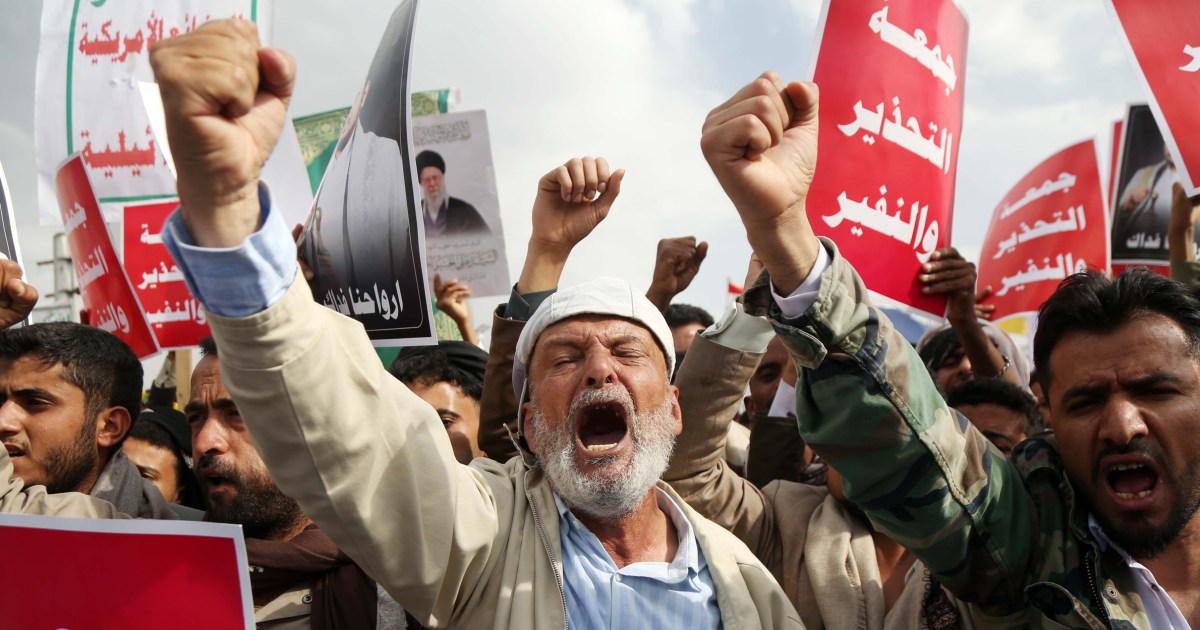
DUBAI/CAIRO, July 20 - Yemen’s Iran-aligned Houthis said on Monday they were imposing a naval blockade on Saudi Arabia, a move that opens a new front against the United States in its war on Iran and widens the threat to global energy supplies and trade beyond the Gulf.
Iran had pressed the Houthis to close the Bab el-Mandeb gateway to the Red Sea if the U.S. continued to attack Iranian power infrastructure.
They said the decision was in response to what they called “an unjust and oppressive siege” imposed on Yemen by the Saudis.
The full closure of the Bab el-Mandeb strait would reduce global oil supply by 7% as it would leave most of Saudi oil exports unable to leave the region. The disruption would add to the massive cut to global oil flows from the war in the Gulf, which has already reduced shipments by 10% of global supply.
It’s been kept artificially cheap with a bunch of emergency stockpile releases used to manipulate the real market and supply chains. But even then, a bunch of our excess consumption is happening to power the AI boom.
We’ve had our foot on the accelerator on both ends of the pipe since COVID. Enormous expansion of production and consumption driven by state policies. Politicians and business executives both convinced that we’re speeding towards some kind of growth singularity and racing to get there first. Zero consideration for material resource limits, strain on the labor force, or the Climate Change elephant in the room.
It’s an enormous economic ship. And even as bits and pieces fail, we’re seeing accelerating economic activity driven by a handful of bullish private investors with state-sanctioned unlimited credit and no real regulatory oversight. I don’t really know what the future holds, though. As COVID proved, you can just as easily find yourself in a position where you’ve suddenly got too much gas in the pipeline and nowhere to send it as you can find too little.
I saw this video this morning that goes over what happened and why the world didmt implode on its self which lead back to China secretly saving the day.
Leaving the link here for anyone interested. I thought it offered a lot of information that I had not known about.
https://m.youtube.com/watch?v=BkA0bkb6ZO0
🤮
But otherwise cool. Thank you for the link.