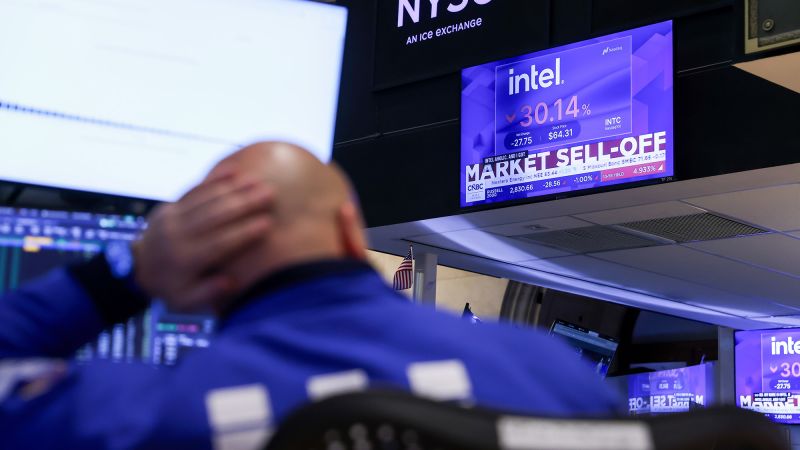
the market that’s financing all of this – the bond market – is mostly shrugging its shoulders while the stock market is in the midst of a mild freakout. Lenders have been lining up to take on Big Tech’s debt to pay for the technology that’s reshaping the global economy.
That means the questions the market seems to be asking about AI – will Big Tech keep growing its spending? (it most certainly will) and will AI will turn a profit anytime soon? (doesn’t look like it) – are the wrong ones.
The real question we should be asking about AI is: How much longer will the bond market sustain the nonstop spending spree?
That will ultimately dictate whether AI turns into a success or a bust.
The real question we should be asking about AI is: How much longer will the bond market sustain the nonstop spending spree?
Uhhh, no. Still the wrong question. It’s so incredibly short-sighted
The real question should be, what sort of society do we want to be in the future?
What resources do we want to allocate to AI when it is more efficient at using them?
What tasks should we retain for humanity even when AI is better at them?
It is happening already:
OpenAI’s $30 billion funding ambition shrinks to $20 billion: What’s worrying investors?
Well, “look Ma, no business model!” might sound revolutionary, but people might not accept that when it’s their money at risk.
No, there are a few questions:
What are the consequences of use of the technology?
Who owns it?
In whose interest is it being used?
How do the people get rid of it?
The cat is out of the bag. AI is here. At this point we should be focused of collectively deciding what we want society to look like when AI is generally better at most tasks than humans
How do the people get rid of it?
First get rid of electricity, agriculture and language ; then you can go back to primitive animal life forms. A nuclear Holocaust or a few radical climate change disasters can help get us there … unfortunately.