

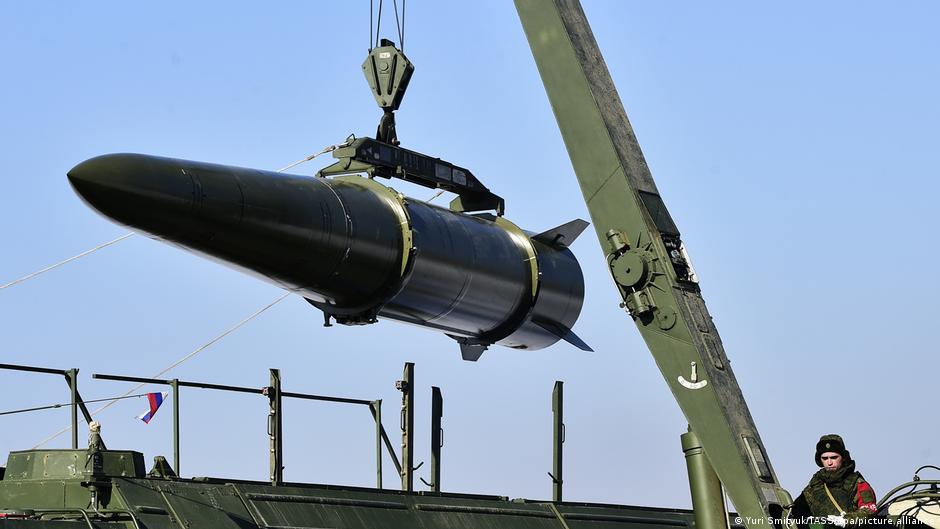
According to a Wall Street Journal report citing US intelligence, Russia could be preparing a limited incursion against a NATO member state within weeks. The report comes as the war in Ukraine remains largely deadlocked and the impact of the conflict is increasingly felt inside Russia.
Analysts cited in the report suggest Vladimir Putin may seek to open a new front rather than risk being remembered as the leader who lost Ukraine, raising fresh questions about NATO’s readiness and resolve.
any article with a hypothetical in the headline is ABSOLUTE GARBAGE and I refuse to read them.
Russia COULD attack NATO next month … or it could disintegrate tomorrow just like the USSR
https://tenor.com/view/gino-d’acampo-gino-dacampo-this-morning-grandmother-wheels-gif-1270420353161197650
Do you understand the difference between the two forms of could used below?:
In theory, I, a regular person, could put in a lot of time, effort, and money, and become an Olympic athlete.
I am an Olympic athlete. I am set to compete in the Olympics tomorrow. I’ve regularly placed in the top levels of my sport. I could win a gold medal tomorrow.
English is not my first language but I do understand the difference, I know it’s not the same use of the conditional tense but I figure it was close enough to make a gag about my point.
Press sensationalism is something I’ve noticed has gotten significantly worse in the last few years
DW is one of the few news sources I still trust, but this article is a ball of nothing. A news source, reporting on a story by a less reputable and much more biased source not listing the original report or what is based on.
…
need I say more?
This isn’t a language issue. The two forms I’m contrasting use the same definition of “could.” But there is a world of difference between:
A scenario which is uncertain, but real information indicates there is a decent chance of happening. (The “could” used in the article.)
A scenario which theoretically could happen, but is unlikely and there is no particular evidence available that the scenario is likely. (The “could” you’re using in your hypothetical about Russia disintegrating.)
An infinite number of things are theoretically possible. The article isn’t some baseless speculation saying, “hypothetically, there’s nothing in the laws of physics preventing Russia from invading NATO.” The article is instead saying, “while the intelligence is still uncertain, intelligence indicates a substantial probability of Russia invading NATO territory.”
It’s an issue of probability. The article is probably talking about a scenario with a 30% chance of happening in the next year, a scenario that has real evidence suggesting it’s likely in the near-term. You’re raising a scenario that probably has less than a 1% chance of occurring in the next year, one backed by pure speculation with no evidence at all behind it.
Intelligence is never certain. That doesn’t mean it’s useless.
Do you have any idea how insufferable you are being in this thread? Since you seem clueless, I’m here to let you know - it’s bad. Real bad. After seeing interactions like this, I increasingly understand why the rest of the world hates us…