I get that it’s easy to to jump to conclusions online but you literally have me all wrong. I work in researching carbon sequestration. As already mentioned in a different comment reply, I’m happy that people are researching AMOC and the consequences its weakening will bring. But, there’s a very big difference between saying, “AMOC is weakening and may collapse at some point if things don’t change”, and “we’re already past the point of no return”. One is a helpful statement, the other just drums of despair, which isn’t a helpful emotion for tackling climate change.
If you look at the pre-print, its written to my eyes in a somewhat unscientific manner relative to most other climate publications, and so I kind of doubt its rigor. If you want an in-depth review, https://www.annualreviews.org/content/journals/10.1146/annurev-marine-040324-024822 presents an update article on why exactly making this sort of conclusion is difficult.


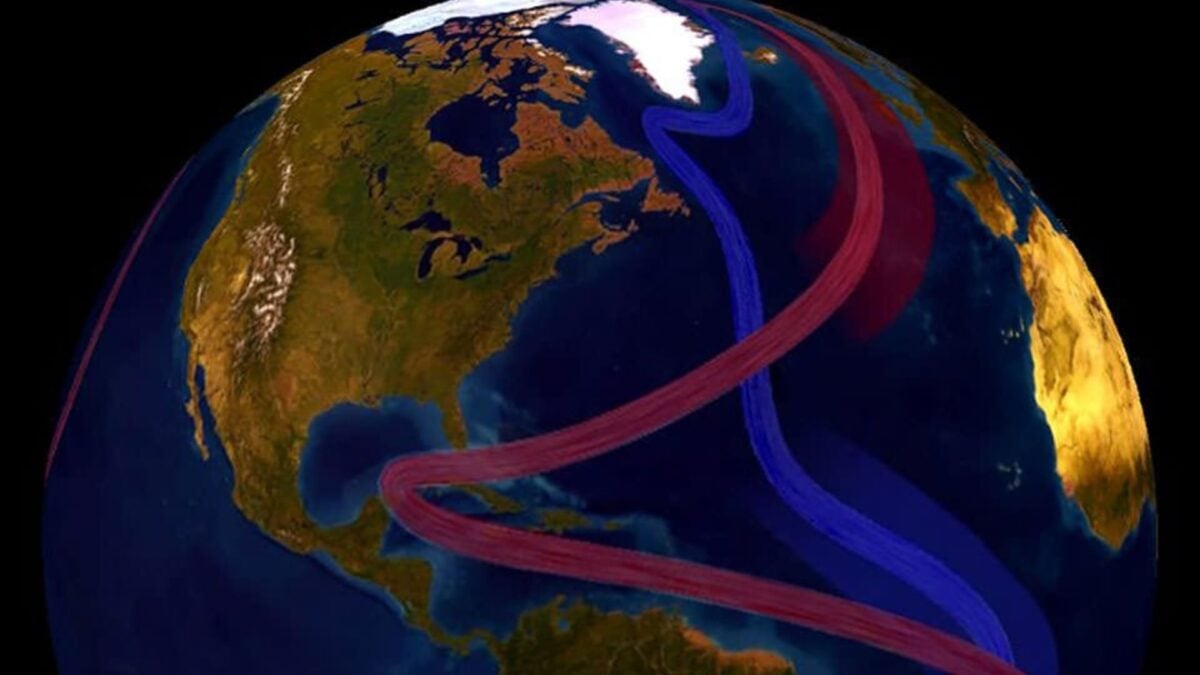
I get that it’s easy to to jump to conclusions online but you literally have me all wrong. I work in researching carbon sequestration. As already mentioned in a different comment reply, I’m happy that people are researching AMOC and the consequences its weakening will bring. But, there’s a very big difference between saying, “AMOC is weakening and may collapse at some point if things don’t change”, and “we’re already past the point of no return”. One is a helpful statement, the other just drums of despair, which isn’t a helpful emotion for tackling climate change.
If you look at the pre-print, its written to my eyes in a somewhat unscientific manner relative to most other climate publications, and so I kind of doubt its rigor. If you want an in-depth review, https://www.annualreviews.org/content/journals/10.1146/annurev-marine-040324-024822 presents an update article on why exactly making this sort of conclusion is difficult.