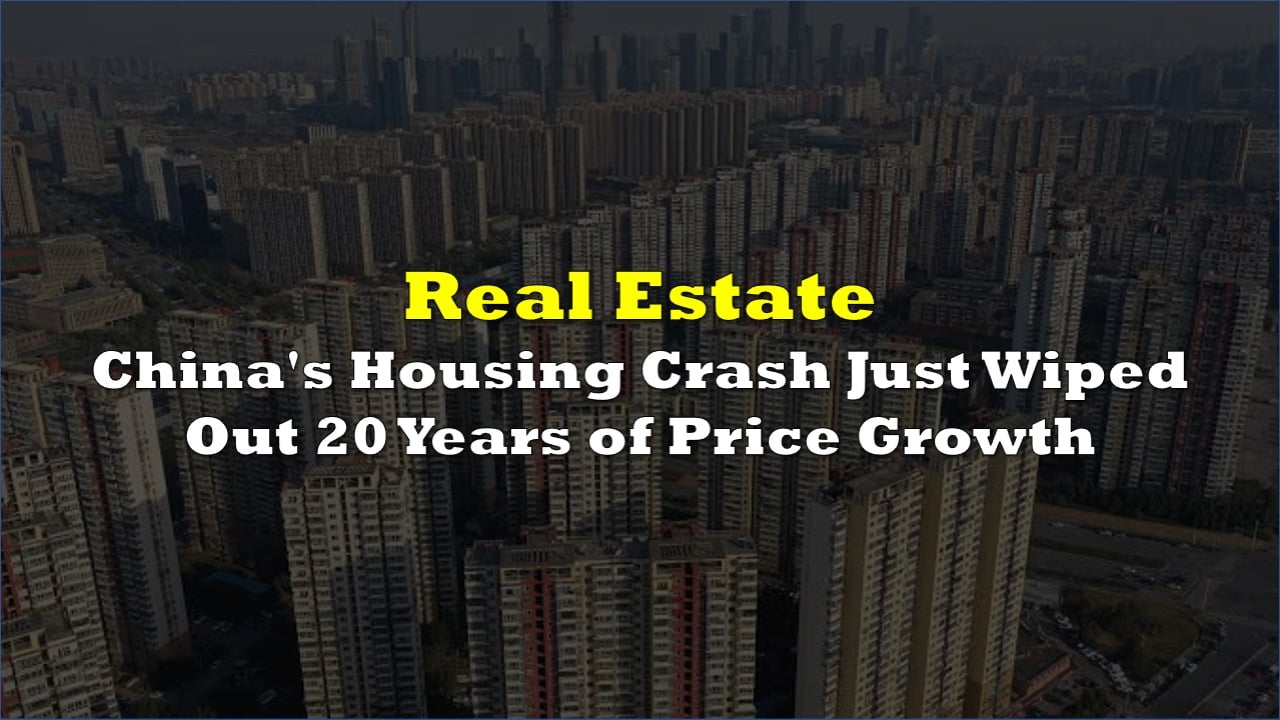
Inflation-adjusted home prices in China have fallen below where they started two decades ago, and the fiscal fallout is hitting local governments even harder than developers.
You’re also not truly buying the land, because private land ownership is illegal in China. Instead, you’re buying land usage rights for a long period (usually 70 years). Then it gets returned to the state (or the local farming collective, if you’re in a rural area that is managed locally) after your lease is up.
Basically, you can own your house, (the materials used to build it, the items inside of it, etc), but not the land it is built on. So after that 70 year lease is up, you (or more likely, your descendants) will need to either move off the land or sign a new land use contract with the applicable government (either local or state level).
And there’s always a chance that the government goes “actually we need to use that land for the public interest” and they can refuse to re-sign the lease. Maybe they want to turn it into a public park, or build a railway through the area, or use it for extra farmland. The same way the US government can seize an American’s land via eminent domain, the Chinese government can revoke a land use agreement.
But having an expected time the city can have the land back do helps with planning with development, or modernize run down buildings.
It being a lease means you also can very easily plan ahead your maintenance by funding it through the sale of the land upfront, not that much difference than collecting property tax except it is actually valued based on the land not the building on top of it.
It’s better if land is not owned by an estate forever.
Basically, you can own your house, (the materials used to build it, the items inside of it, etc), but not the land it is built on. So after that 70 year lease is up, you (or more likely, your descendants) will need to either move off the land or sign a new land use contract with the applicable government (either local or state level).
historically, europe had similar laws. the land and the farms on it were owned by two different people. the land was owned by the landlord but the farm was owned by the farmers.


You’re also not truly buying the land, because private land ownership is illegal in China. Instead, you’re buying land usage rights for a long period (usually 70 years). Then it gets returned to the state (or the local farming collective, if you’re in a rural area that is managed locally) after your lease is up.
Basically, you can own your house, (the materials used to build it, the items inside of it, etc), but not the land it is built on. So after that 70 year lease is up, you (or more likely, your descendants) will need to either move off the land or sign a new land use contract with the applicable government (either local or state level).
And there’s always a chance that the government goes “actually we need to use that land for the public interest” and they can refuse to re-sign the lease. Maybe they want to turn it into a public park, or build a railway through the area, or use it for extra farmland. The same way the US government can seize an American’s land via eminent domain, the Chinese government can revoke a land use agreement.
But having an expected time the city can have the land back do helps with planning with development, or modernize run down buildings.
It being a lease means you also can very easily plan ahead your maintenance by funding it through the sale of the land upfront, not that much difference than collecting property tax except it is actually valued based on the land not the building on top of it.
It’s better if land is not owned by an estate forever.
historically, europe had similar laws. the land and the farms on it were owned by two different people. the land was owned by the landlord but the farm was owned by the farmers.