

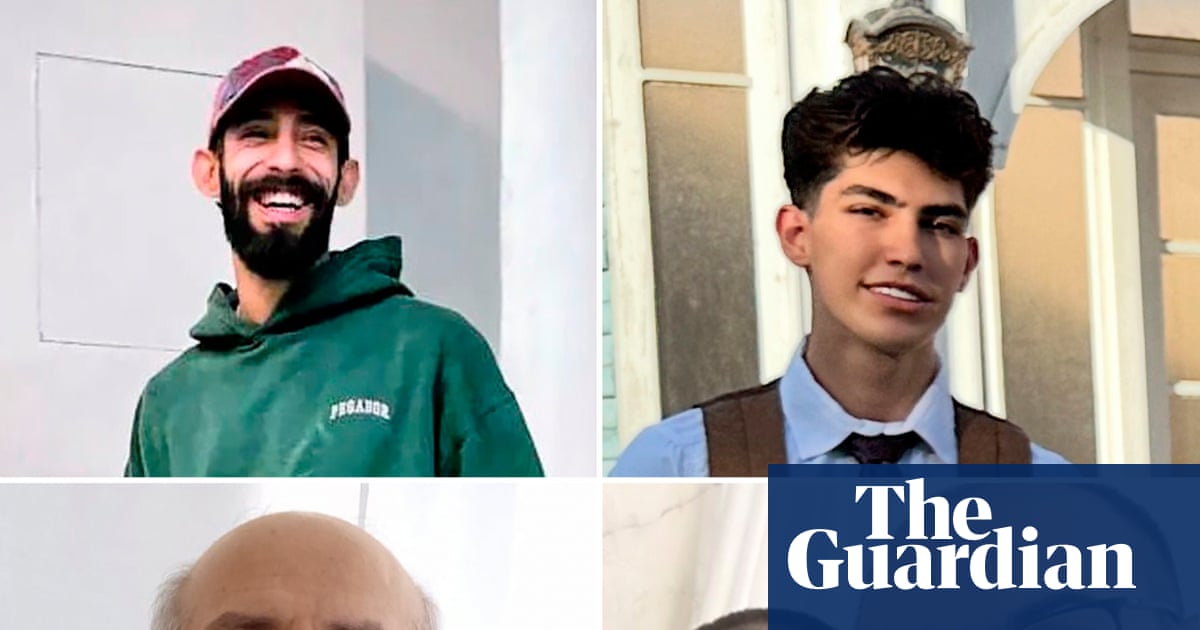
It has been almost three months since Peyvand Naimi, 30, was arrested in connection with the mass street protests that spread across Iran in January before being brutally suppressed. Since then, he has been detained for more than a month in solitary confinement, appeared in a televised forced confession, and has undergone two mock hangings, beatings, interrogation, psychological torture and starvation.
He has been accused of involvement in the deaths of security agents during the protests and of celebrating the death of Iran’s former supreme leader, Ali Khamenei, but his family insist he has done nothing wrong and that no formal charges have been made. He has been denied access to a lawyer; his relatives fear he now faces execution.
“My whole body was shaking when I heard about the torture he has endured,” says Zahra Hosseini*, a close relative. “It’s unbelievable. I am very worried.”
Naimi’s uncertain fate comes amid concerns that a surge in executions is taking place in Iran and has been “overshadowed” by the US-Israeli war on Iran. At least 145 people are confirmed to have been killed in 2026 so far, with an additional 400-plus executions reported but not verified, according to Iran Human Rights.
“Is the Guardian using its platform to manufacture more consent for this evil, pointless war on Iran?”