It is quite amusing to me the level of copium that I read in comments whenever negative health impacts of vaping are pointed out.
Have all the flavor additives that they add to these vape juices been studied on the impacts on the lungs since the 50s to support your “doubt”? Did the studies on PG’s effect on the lungs since the 50s include frequency of use and exposure to the lungs that is consistent with daily use vaping we see today?
You’re evaluating results of the study by assuming that the only thing that can cause oral and lung cancers are inhaling smoke. Which is incredibly flawed thinking.
It could be that perhaps…just maybe…that inhaling anything other than clean air on a consistent basis increases someone’s chances of developing cancer. Crazy thought, I know.
Sure it is likely better than smoking. But anyone that deludes themselves into thinking that their pina colada vape they inhale into their lungs multiple times an hour is healthy and can’t possibly cause any negative health issues is uhhh…not very bright.
Have all the flavor additives that they add to these vape juices been studied
Argument from ignorance, they have all been tested to be generally safe, and people that work with them all day long in industries and kitchens are exposed to the vapors too.
I’m sceptical of this study too, but a “generally recognized as safe” (GRAS) designation is not meaningful in the context of long term health effects.
It basically means that we know what the chemical is and that we’re pretty sure it won’t kill you or even make the average person sick, at least not right away. It does not mean the chemical won’t harm someone at any dose, frequency, time scale, ROA, etc.
GRAS designation for a novel chemical (in the US) is an easy hurdle to clear, but the fact that a chemical even has it means more study is needed.
Well then IDK what I should call a compound that is actually considered generally safe, as in something that has been used for decades with no known problems.


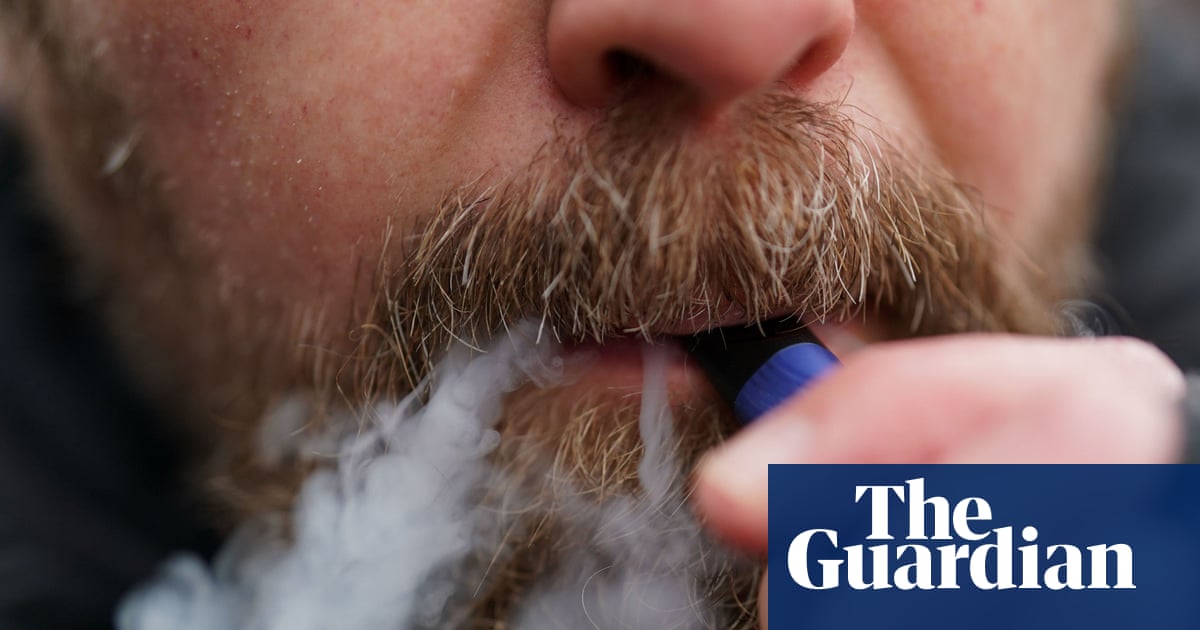
It is quite amusing to me the level of copium that I read in comments whenever negative health impacts of vaping are pointed out.
Have all the flavor additives that they add to these vape juices been studied on the impacts on the lungs since the 50s to support your “doubt”? Did the studies on PG’s effect on the lungs since the 50s include frequency of use and exposure to the lungs that is consistent with daily use vaping we see today?
You’re evaluating results of the study by assuming that the only thing that can cause oral and lung cancers are inhaling smoke. Which is incredibly flawed thinking.
It could be that perhaps…just maybe…that inhaling anything other than clean air on a consistent basis increases someone’s chances of developing cancer. Crazy thought, I know.
Sure it is likely better than smoking. But anyone that deludes themselves into thinking that their pina colada vape they inhale into their lungs multiple times an hour is healthy and can’t possibly cause any negative health issues is uhhh…not very bright.
Argument from ignorance, they have all been tested to be generally safe, and people that work with them all day long in industries and kitchens are exposed to the vapors too.
I wouldn’t count on the health of those employees being respected either.
They have unions and doctors, so if a problem is really there it will surface.
I’m sceptical of this study too, but a “generally recognized as safe” (GRAS) designation is not meaningful in the context of long term health effects.
It basically means that we know what the chemical is and that we’re pretty sure it won’t kill you or even make the average person sick, at least not right away. It does not mean the chemical won’t harm someone at any dose, frequency, time scale, ROA, etc.
GRAS designation for a novel chemical (in the US) is an easy hurdle to clear, but the fact that a chemical even has it means more study is needed.
Well then IDK what I should call a compound that is actually considered generally safe, as in something that has been used for decades with no known problems.