

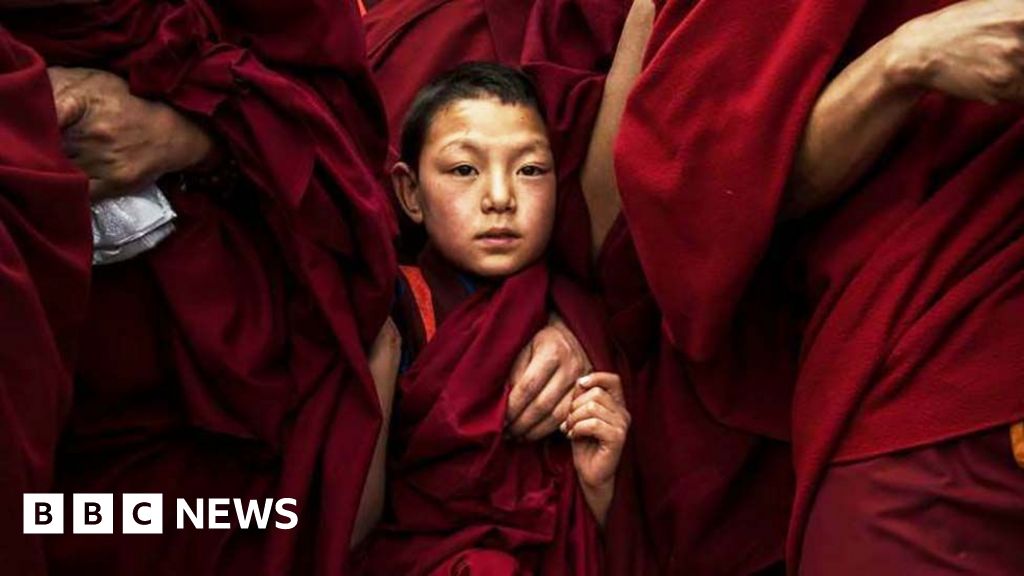
China has approved a sweeping new law which claims to help promote “ethnic unity” - but critics say it will further erode the rights of minority groups.
On paper, it aims to promote integration among the 56 officially recognised ethnic groups, dominated by the Han Chinese, through education and housing. But critics say it cuts people off from their language and culture.
It mandates that all children should be taught Mandarin before kindergarten and up until the end of high school. Previously students could study most of the curriculum in their native language such as Tibetan, Uyghur or Mongolian.
The Chinese constitution also explicitly gives everyone the right to vote, freedom of speech, the press, assembly, association, procession and demonstration.
That says enough about how much that document is worth.
Yes, and those rights actually exist in China as intended. However, they obviously do not exist as you’re choosing to interpret their constitution. It’s fine to be critical of how they believe these rights should operate, but claiming that they’re being hypocritical or disingenuous disregards the actual intention of what they wrote in their constitution. I’m happy to explain.
For one, Chinese people do vote in competitive elections at the local level. Of course, the constitution explicitly guarantees the centrality of the communist party so elections tend not to be won over ideological difference but rather perceived competence. You can say that’s not democratic but this is not in contradiction with the constitutional right to vote or run for office.
As for freedom of speech and press, these too exist. Just go on platforms like Weibo and you’ll find people complaining about government policy and corruption all the time. Investigative journalism is legal as well and there are cases of corruption or other failures caused by poor governance that journalists have uncovered without facing any retribution. The difference here is that separatist speech, calls for regime change, or disinformation are not legal. What is separatism or disinformation is obviously defined by the people enacting these laws which I’m sure you would argue undermines these rights. Again, that’s a reasonable argument but it doesn’t mean these rights don’t exist.
Freedom of assembly and protest also exist. Protests are more common in China than most people in western countries realize. The government has a high degree of fear over how they might develop though and apply similar kinds of restrictive permitting requirements that occurs in many western countries. Also the second the protest has any separatist or regime change elements it will be shut down. However, again this situation is clearly what the constitution intended if you read it in full.
So please, critique the specific ways in which the Chinese government interprets the rights written in their constitution. However, there’s no evidence that the Communist Party was acting disingenuous when they wrote their constitution. It’s not a worthless document just because you want it to be.
And the same is true for the minority rights, they only exists as far as the Party wants to and allows at this moment, which was my point. I.e it’s mostly for PR.
The West isn’t any better at protecting minority rights, I’ll give you that.